How to Ensure Safe and Reliable Hydraulic Hose Assembly
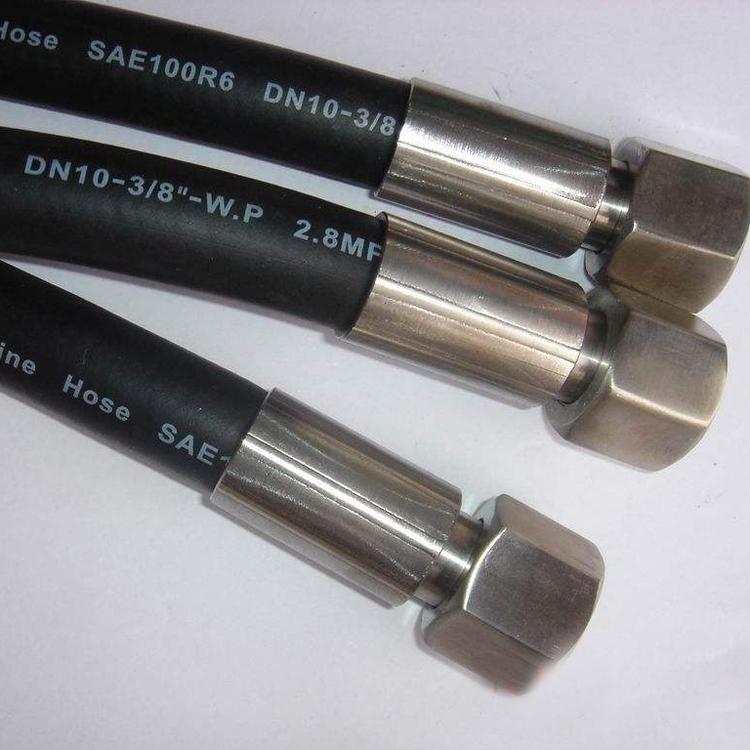
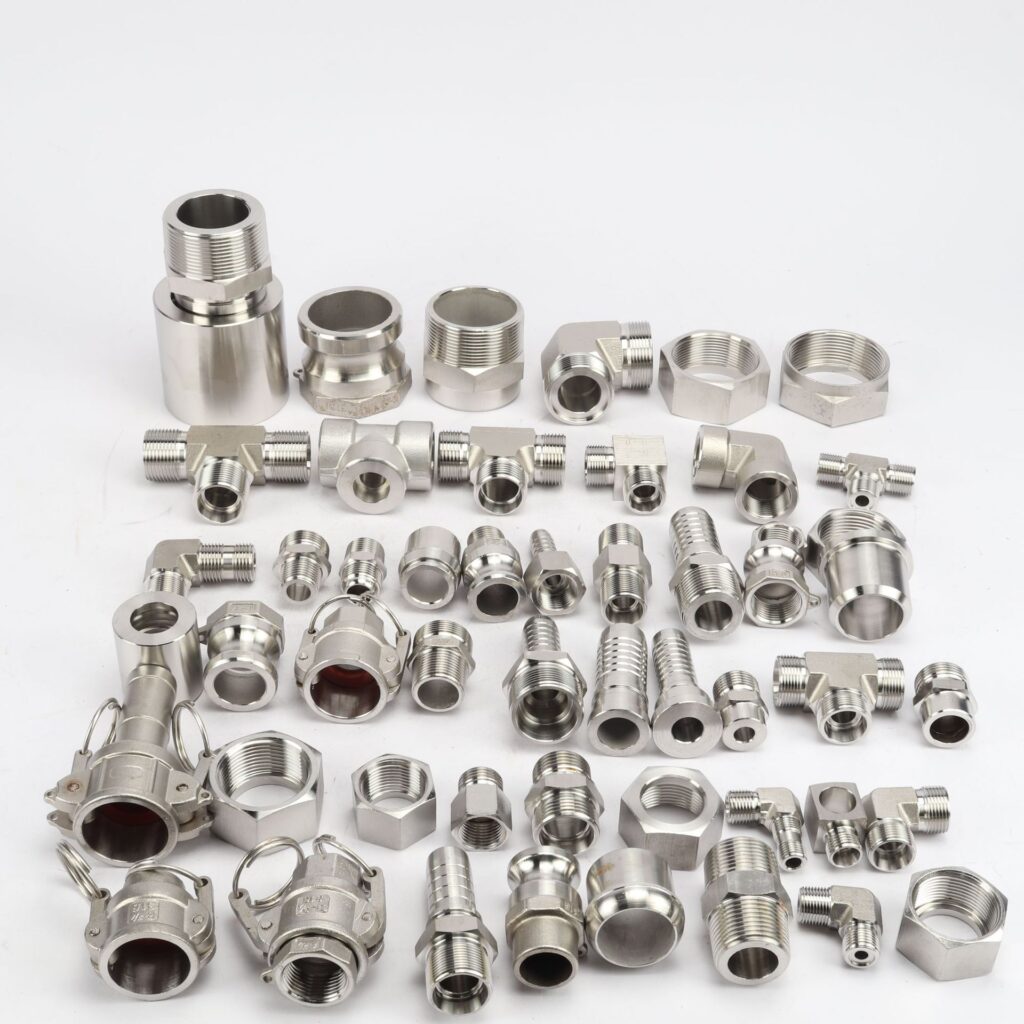
Hydraulic hose assembly is an important part of hydraulic systems. A properly crimped hydraulic hose can ensure safe operation under high pressure conditions, while incorrect crimping may cause hose leakage, fitting separation, or even serious equipment failure.
At INDO HYDRAULICS, we focus on providing high-quality hydraulic hose assemblies with precise crimping processes, suitable for excavators, heavy equipment, industrial machinery, and hydraulic repair workshops.
1. Understanding Hydraulic Hose Crimping
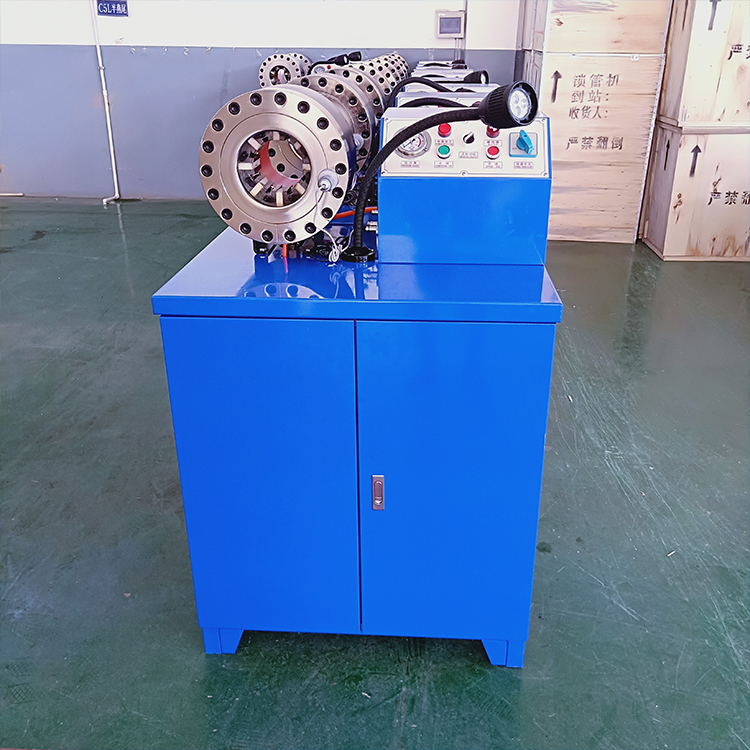
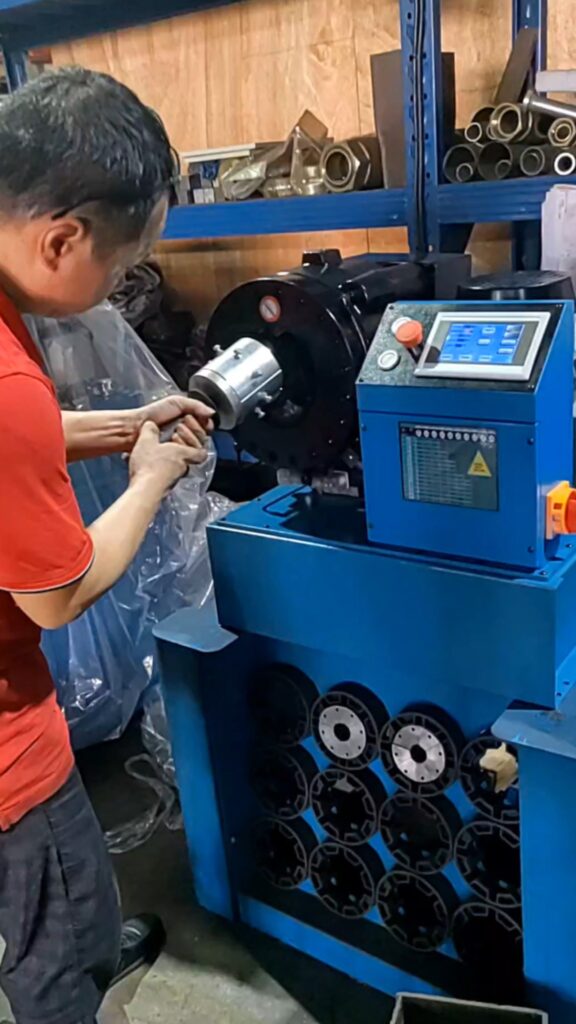
Hydraulic hose crimping is the process of permanently connecting hydraulic hose and fittings by using a hydraulic crimping machine.
During the crimping process:
- The fitting is installed onto the hose.
- The hose assembly is positioned inside the crimping die.
- The machine applies controlled pressure.
- The fitting sleeve is compressed onto the hose reinforcement layer.
The purpose is to achieve a strong mechanical connection that can withstand high working pressure.
2. Hydraulic Hose Crimping Process
Step 1: Select the Correct Hydraulic Hose
Before crimping, the correct hose type must be selected according to application requirements.
Common hydraulic hose standards include:
| Standar | Deskripsi |
|---|---|
| SAE 100 R1 | Single wire braided hydraulic hose |
| SAE 100 R2 / 2SN | Two wire braided high pressure hose |
| SAE 100 R4 | Suction and return hose |
| SAE 100 R12 | Four spiral heavy duty hose |
| SAE 100 R13 | Extreme pressure applications |
| SAE 100 R15 | Very high pressure hydraulic systems |
The hose selection should consider:
- Tekanan kerja
- Temperature range
- Hydraulic oil compatibility
- Application environment
Step 2: Cutting the Hydraulic Hose
A professional hose cutting machine should be used to ensure:
- Straight cutting angle
- Clean hose end
- No damage to reinforcement wire
Incorrect cutting may cause:
- Poor fitting installation
- Uneven crimping
- Reduced hose lifetime
Step 3: Install Hydraulic Fittings
The correct fitting must match:
- Ukuran selang
- Hose series
- Thread standard
Common hydraulic fitting standards:
| Standar | Aplikasi |
|---|---|
| JIC 37° | North American hydraulic systems |
| BSP | European and Asian markets |
| ORFS | High pressure leak prevention |
| Metric DIN | European equipment |
Before assembly, check:
- Fitting cleanliness
- Correct insertion depth
- Proper orientation
3. Important Parameters During Crimping
① Correct Crimp Diameter
Crimp diameter is one of the most important quality factors.
Too small:
❌ Damages reinforcement wire
❌ Reduces hose lifetime
❌ Creates excessive pressure stress
Too large:
❌ Fitting may pull out
❌ Hydraulic leakage may occur
The crimp diameter should follow the hose manufacturer’s recommended specifications.
② Correct Crimping Machine Setting
A professional crimping machine should control:
- Crimp diameter
- Number of crimps
- Crimp position
High-quality machines provide repeatable and stable results.
③ Hose Assembly Cleanliness
Before delivery:
- Remove rubber particles
- Clean internal hose surface
- Protect both ends with caps
Contamination inside hydraulic systems can damage:
- Hydraulic pumps
- Valves
- Cylinders
4. Common Hydraulic Hose Crimping Problems
Problem 1: Hose Leakage
Possible causes:
- Incorrect crimp diameter
- Wrong fitting selection
- Damaged hose end
Solution:
✔ Check crimp specification
✔ Use matching hose and fitting combinations
Problem 2: Fitting Pull-Off
Possible causes:
- Insufficient crimping
- Wrong hose/fitting combination
Solution:
✔ Verify crimp diameter
✔ Perform pull-off testing when required
Problem 3: Hose Burst
Possible causes:
- Hose pressure rating too low
- Excessive bending
- Incorrect installation
Solution:
✔ Select correct SAE hose type
✔ Follow minimum bend radius requirements
5. Hydraulic Hose Assembly Quality Control
At Indo Hydraulics, quality control includes:
✔ Visual Inspection
Check:
- Hose surface condition
- Fitting installation
- Crimp appearance
✔ Dimensional Inspection
Verify:
- Crimp diameter
- Assembly length
- Fitting position
✔ Pressure Testing
For critical applications:
- Proof pressure test
- Leakage inspection
6. Technical Standards for Hydraulic Hose Assembly
Hydraulic hose production normally follows international standards:
| Standar | Deskripsi |
|---|---|
| SAE J517 | Hydraulic hose specifications |
| SAE J343 | Hydraulic hose testing requirements |
| ISO 18752 | Hydraulic hose performance classification |
| DIN 20066 | Hydraulic hose assembly requirements |
Following these standards helps ensure:
- Safe operation
- Stable performance
- Umur pakai lebih panjang
7. Tips for Hydraulic Repair Workshops
For hydraulic workshops:
Always:
✔ Use matching hose and fittings
✔ Check working pressure requirements
✔ Use professional crimping equipment
✔ Keep hose assemblies clean
✔ Record hose specifications
Avoid:
❌ Mixing different hose brands without testing
❌ Reusing damaged fittings
❌ Incorrect crimp settings
Kesimpulan
A reliable hydraulic hose assembly depends on correct hose selection, professional crimping procedures, and strict quality control.
With proper technology and production standards, hydraulic hose assemblies can provide excellent performance for excavators, construction equipment, mining machinery, and industrial applications.
Indo Hydraulics provides hydraulic hose, hydraulic fittings, and hose assembly solutions for customers worldwide.
🌐 Website: www.indohydraulic.com
📱 WhatsApp: 0811-3777-570