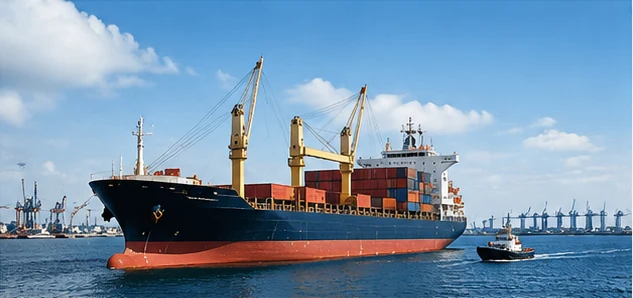
Marine hydraulic systems work in a special environment: salt air, vibration, oil exposure, compact routing and limited repair windows. A hose assembly that works on land may still fail early onboard if corrosion and routing are not considered.
Marine selection priorities
| Aplikasi | Recommended focus | Technical check | Common mistake |
|---|---|---|---|
| Deck equipment hydraulics | Pressure and corrosion-aware fittings | Pressure rating, bend radius, fitting material / plating | Ignoring vibration and support clamps |
| Steering or auxiliary lines | Reliability and correct sealing face | Thread standard, sealing method, hose routing | Mixing similar-looking thread standards |
| Oil transfer support | Media compatibility | Oil type, suction or discharge condition, temperature | Using water hose for oil media |
| Maintenance replacement | Fast identification | Photo, hose marking, end fitting angle | Ordering by length only |
Fitting standards matter onboard
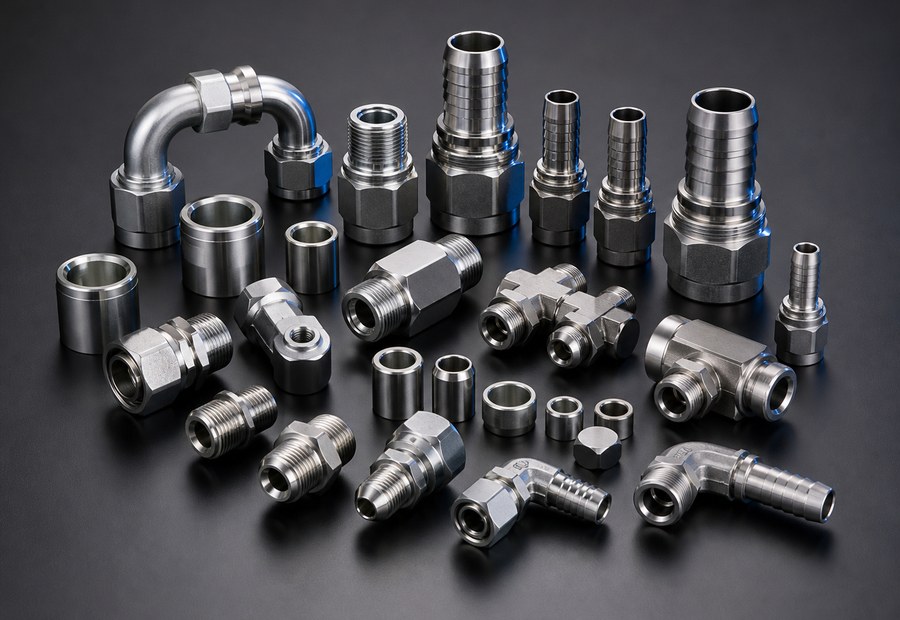
JIC, BSP, DIN Metric, ORFS and flange connections seal in different ways. In marine maintenance, the wrong thread can appear to fit during installation but leak under pressure. Always confirm thread angle, sealing face and whether the assembly needs straight, 45 degree or 90 degree fittings.
Case example: recurring leakage after replacement
If a replacement hose leaks soon after installation, the issue may be thread mismatch, ferrule mismatch or hose twist during routing. A useful troubleshooting photo set includes the old fitting face, hose marking, failed crimp area and installed routing.
Local support for Indonesian marine buyers
Indo Hydraulics supports Indonesian buyers with hose, ferrules and fitting families for onboard hydraulic and oil handling requirements. For quotation, send application, media, pressure, fitting photos and quantity.