
Engineering notes
Mobile Equipment Hydraulic Hose Solution helps maintenance teams select hose, fittings, ferrules and spare stock for mobile equipment and fleet maintenance. A reliable mobile equipment hydraulic hose program must consider pressure rating, impulse, abrasion, routing, thread standards and urgent replacement demand. Indo Hydraulics supports buyers working with forklifts, loaders, trucks, service vehicles, mobile cranes and fleet maintenance equipment by connecting product selection with practical field problems.
Mobile Equipment Hydraulic Hose Solution: 5 Common Field Problems
The main reason a mobile equipment hydraulic hose replacement fails is not only hose quality. Failures often start with incomplete machine information, wrong fitting identification, poor routing or using a pressure class below the real working condition.
| Situation | Common problem | Recommended action |
|---|---|---|
| Forklift lift and tilt lines | tight bend radius | Confirm hose marking, pressure class, fitting thread, bend radius and replacement quantity before quotation. |
| Loader and backhoe circuits | hose rubbing during steering movement | Confirm hose marking, pressure class, fitting thread, bend radius and replacement quantity before quotation. |
| Service truck repair stock | mixed fitting standards across brands | Confirm hose marking, pressure class, fitting thread, bend radius and replacement quantity before quotation. |
| Mobile crane support | urgent fleet downtime | Confirm hose marking, pressure class, fitting thread, bend radius and replacement quantity before quotation. |
| Fleet maintenance workshop | poor spare record control | Confirm hose marking, pressure class, fitting thread, bend radius and replacement quantity before quotation. |
Recommended Hydraulic Hose and Fitting Structure
For mobile equipment and fleet maintenance, Indo Hydraulics recommends starting from fast-moving hydraulic hose families, then adding fittings, ferrules and industrial hose according to machine type. This keeps the stock list practical while still covering urgent repair jobs.
| 产品系列 | Why it matters | Internal reference |
|---|---|---|
| 光面编织液压胶管 | Core replacement stock for common hydraulic repair demand. | 光面编织液压胶管 |
| 布纹外覆钢丝编织液压胶管 | Used when pressure, impulse or abrasion risk is higher. | 布纹外覆钢丝编织液压胶管 |
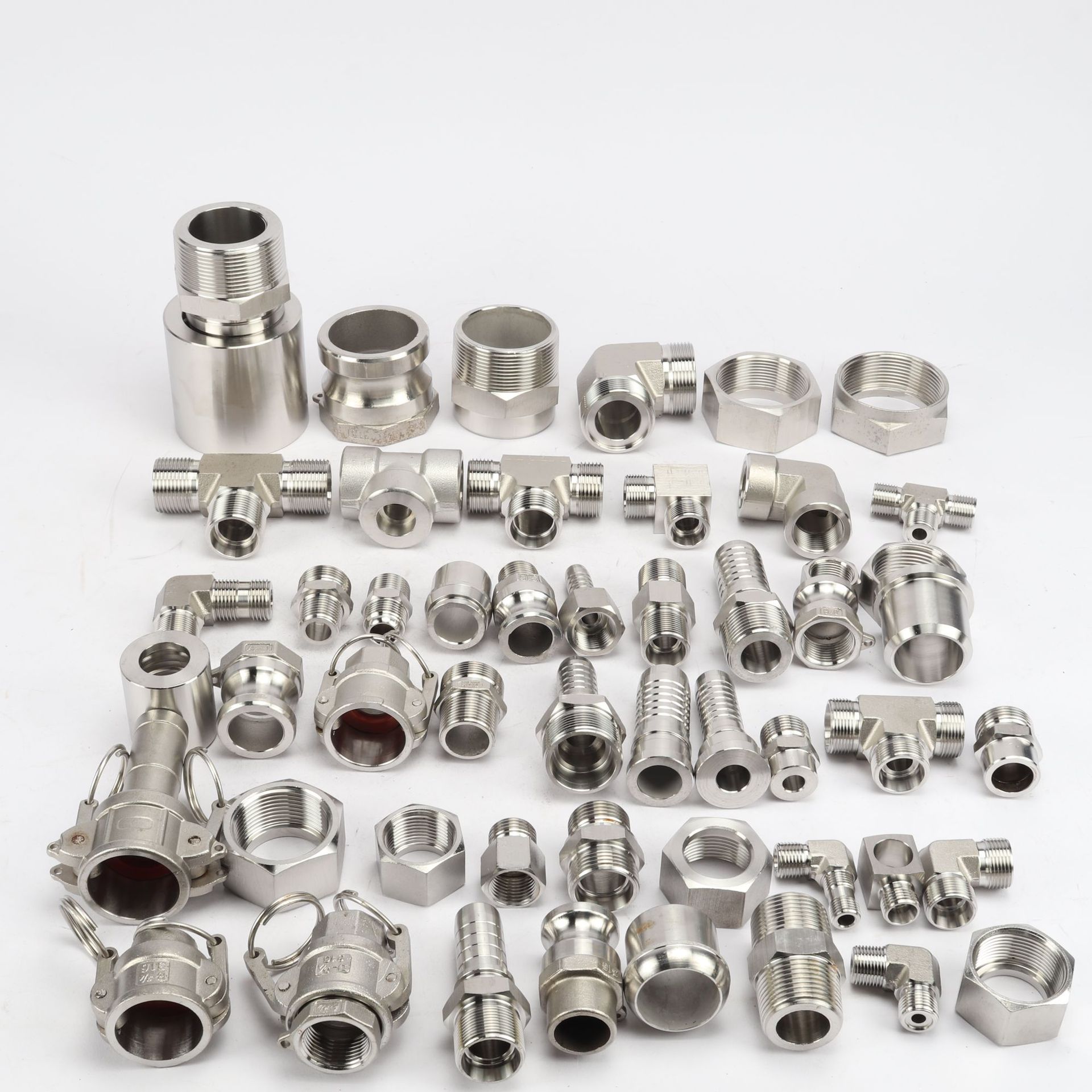
| 胶管接头与套筒 | Needed to make safe hose assemblies and reduce leakage rework. | 胶管接头与套筒 |
| Steel Wire Spiral Hydraulic Hose | Adds MRO sales for utility, oil, water or plant support lines. | Steel Wire Spiral Hydraulic Hose |
Technical Data Buyers Should Confirm
| Parameter | Why it matters | Typical reference |
|---|---|---|
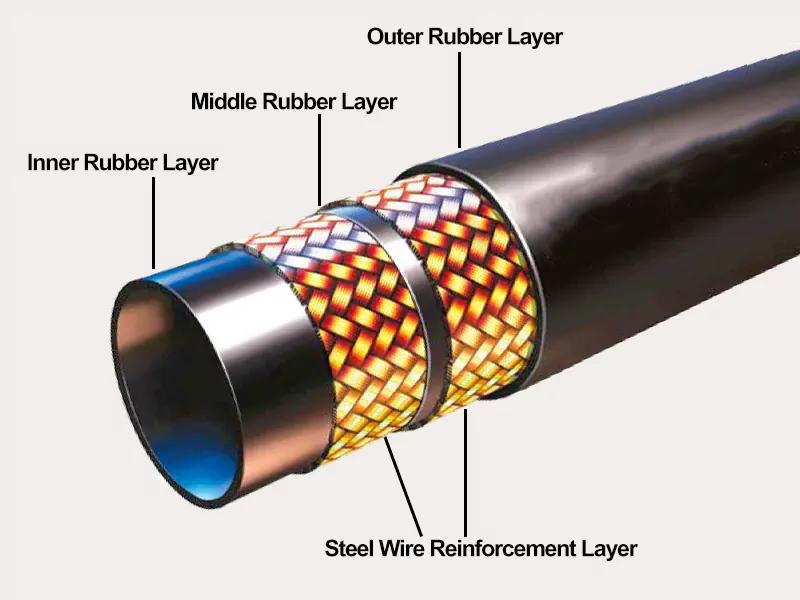
| Working pressure | Prevents under-rated hose selection during normal operation | SAE 100R1 and SAE 100R2 vary by hose I.D.; spiral hose is used for higher pressure demand |
| Burst pressure | Used as a safety reference, not as normal working pressure | Many hydraulic hose families use about a 4:1 burst-to-working pressure ratio |
| Temperature range | Protects tube and cover from cracking, hardening or swelling | Common hydraulic hose compounds are often around -40 C to +100 C or +121 C depending on type |
| Fitting standard | Wrong thread or sealing style causes leakage and rework | BSP, NPTF, JIC, DIN Metric, ORFS and SAE flange must be identified correctly |
| Routing and abrasion | Controls cover wear, twisting and premature failure | Check clamp position, bend radius, movement and contact with sharp edges |
How Indo Hydraulics Supports Mobile equipment and fleet maintenance
Indo Hydraulics supports mobile equipment hydraulic hose buyers with hydraulic hose, industrial hose, fittings, ferrules, adaptors and practical selection guidance. For distributors and workshops, we help organize starter stock and repeatable spare lists. For equipment owners, we help confirm hose series, fitting type and operating conditions before quotation.
- Hydraulic hose selection by pressure, impulse and machine application.
- Fitting and ferrule matching for crimped hose assemblies.
- Stock planning for workshops, distributors and maintenance teams.
- Support for Indonesia buyers in Jakarta, Surabaya, Medan, Semarang and Bandung.
- Quotation guidance by hose marking, I.D., length, fitting angle, thread type and quantity.
FAQ About Mobile Equipment Hydraulic Hose Solution
How do I choose the right mobile equipment hydraulic hose?
Start with machine type, hose marking, inside diameter, working pressure, temperature, fluid, fitting standard and routing condition. Photos of the old hose and fitting help reduce wrong selection.
When should I choose spiral hose instead of braided hose?
Use spiral hose when the machine has higher pressure, severe impulse, heavy movement or harsh abrasion risk. Braided hose remains practical for many general hydraulic repair and MRO applications.
What information is needed for a fast quotation?
Send hose marking, hose I.D., length, fitting thread, fitting angle, pressure requirement, machine model and quantity. If the old hose is damaged, send clear photos of both ends and the hose marking.
Reference Standards for Buyers
Buyers can compare catalog data with external references such as SAE standards and ISO standards. These resources help mobile equipment hydraulic hose buyers discuss pressure rating, test method, fitting identification and documentation with maintenance teams.
Need a mobile equipment hydraulic hose quotation? Review 产品, check the 产品目录, or contact INDO HYDRAULICS with hose photos and technical details.
Mobile Equipment Hose Problems by Movement Pattern
Mobile equipment hose selection depends on how the assembly moves. Mast travel, articulation, vibration and compact routing should be checked through the complete operating cycle.
| Equipment or task | Typical problem | Likely cause | Product direction | Recommended handling |
|---|---|---|---|---|
| Forklift mast and side shift | Hose flattens, rubs or fails after repeated flexing | Wrong bend radius, guide wear or hose too stiff for the routing | Compact R16/R17 or EN857 hose to the forklift specification | Inspect rollers and guides, replace the assembly and cycle the unloaded mast through full travel. |
| Refuse truck or articulated service body | Hose pulls tight or twists during body movement | Incorrect length, clocking or clamp position | Flexible braided or compact hydraulic hose with approved ends | Mark the lay line, correct orientation and verify all articulation positions before returning to service. |
| Aerial work platform | Small hose leaks in compact boom routing | Repeated flex, rubbing, heat or an incompatible replacement | Exact OEM-specified compact hose and fitting system | Remove the platform from service, follow the equipment procedure and verify routing and function after replacement. |
| Tail lift, tow truck or mobile service vehicle | Weathered cover or fitting corrosion | Outdoor storage, road spray, impact and infrequent inspection | R1/R2 or compact hose selected for the circuit and environment | Replace degraded assemblies, secure routing away from road debris and add the hose to periodic inspection. |
Field Response Before Restart
| Step | Required action | Release condition |
|---|---|---|
| 1. Isolate | Stop equipment, release stored pressure and follow the site lockout procedure. | No stored pressure or uncontrolled movement remains. |
| 2. Identify | Record the hose marking, circuit, size, fittings, orientation, length and failure position. | Replacement specification is confirmed rather than guessed. |
| 3. Correct | Replace the complete assembly and correct abrasion, twist, heat, clamp or pressure problems. | Root cause and nearby hose condition have been reviewed. |
| 4. Test | Inspect the assembly, cycle at controlled conditions and check for leakage or interference. | Equipment passes the site or manufacturer return-to-service procedure. |
Scenario FAQ
Why is compact hydraulic hose useful on mobile equipment?
It can support tighter machine packaging when the exact pressure, bend-radius and fitting requirements are satisfied.
How is hose twist detected?
Use the printed lay line as a visual reference. A spiraled lay line after installation indicates twist that should be removed.
What should fleet maintenance standardize?
Standardize hose identification, thread measurement, assembly length, fitting orientation, inspection criteria and critical spare records.
Indonesia support: send machine model, circuit, hose marking, pressure, temperature, fitting photos, length and quantity to our Surabaya team.
WhatsApp technical inquiry | Browse products | Contact details